
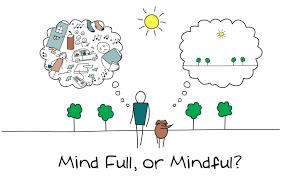
In today’s fast-paced world, it’s easy to get caught up in the hustle and bustle, leaving our mental and physical well-being to suffer. One way to combat this is through mindfulness—an ancient practice that has become increasingly popular in recent years. But what exactly is mindfulness, and how can it benefit you?
Mindfulness is the art of being fully present in the moment, without judgment or distraction. It’s about bringing your awareness to what you’re doing, feeling, and thinking in the present moment. Whether you’re eating, walking, or simply breathing, mindfulness can help reduce stress, improve your mood, and enhance your overall health.
The Power of Mindfulness
Studies have shown that mindfulness can reduce stress, lower blood pressure, improve sleep, and even boost immune function. By practicing mindfulness, you can shift your focus away from past regrets or future anxieties and concentrate on what’s happening right now. This shift in perspective can have profound effects on both your mental and physical well-being.
Mindfulness also fosters self-compassion, which is vital for maintaining a healthy relationship with yourself. It helps you approach your thoughts and emotions without judgment, leading to better emotional regulation and a stronger sense of inner peace.
Simple Mindfulness Practices for Everyday Life
Here are some simple mindfulness practices that you can incorporate into your daily routine:
Mindful Breathing
Start with just a few minutes of focused breathing. Sit comfortably, close your eyes, and take deep, slow breaths. Focus on the sensation of the breath entering and leaving your body. If your mind wanders, gently bring it back to your breath. This practice helps center your mind and reduces stress.
Mindful Eating
Rather than rushing through meals or eating mindlessly, take time to savor each bite. Notice the flavors, textures, and smells of your food. Eating mindfully can improve digestion, prevent overeating, and help you appreciate your food more.
Body Scan Meditation
A simple body scan can help release tension and improve body awareness. Starting at the top of your head, mentally scan down through your body, noticing any areas of tension or discomfort. Breathe into these areas, and try to relax them.
Mindful Walking
Take a walk outside and focus on the sensation of your feet touching the ground, the movement of your body, and the sights and sounds around you. Walking mindfully helps you reconnect with your surroundings and calm your mind.
Gratitude Practice
At the end of each day, reflect on what you’re grateful for. It could be something as simple as a warm cup of tea or a kind word from a friend. Gratitude fosters positive emotions and enhances mental well-being.
The Benefits of Mindfulness for Your Physical Health
Mindfulness is not just good for your mind—it can also improve your physical health. By reducing stress, mindfulness lowers the production of cortisol (a stress hormone) and helps regulate blood pressure. Mindfulness also improves sleep quality, boosts your immune system, and helps manage chronic pain.
When you practice mindfulness, you’re also more likely to make healthier lifestyle choices, such as exercising, eating nutritious foods, and getting enough sleep. This holistic approach to well-being benefits both your mind and body.
Overcoming Mindfulness Challenges
Like any new practice, mindfulness can be challenging at first. You might find it hard to quiet your mind, or you may feel restless when you try to focus. That’s completely normal! The key is to be patient with yourself and stick with it. Start with small, manageable sessions and gradually increase the time as you become more comfortable.
Mindfulness isn’t just a trend—it’s a powerful tool that can help you enhance both your mental and physical health. By incorporating simple mindfulness practices into your daily routine, you can reduce stress, improve your mood, and feel more connected to your body. Start small, and remember that the benefits of mindfulness grow over time.
Incorporating mindful practices into your life can lead to a greater sense of calm, peace, and vitality. So, why not start today?

Leave a comment